







Search Results for: Coffee Grounds to Water Ratio
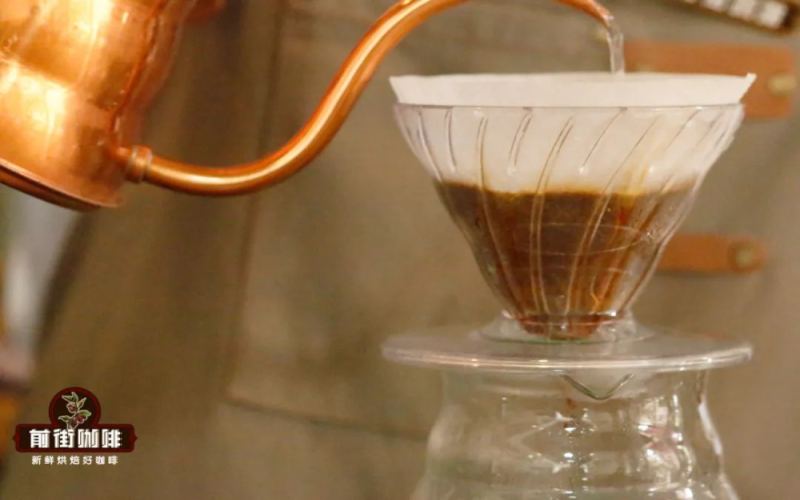
The Difference Between Coffee-to-Water Ratio and Coffee-to-Beverage Ratio Explained: Choosing and Converting Measurement Methods for Pour-Over
In the daily practice of pour-over coffee, the coffee-to-water ratio and the coffee-to-beverage ratio are two concepts that are often mentioned but easily confused. The former refers to the ratio of coffee grounds to the amount of water poured, while the latter measures the relationship between the coffee grounds and the weight of the final brewed coffee liquid. Since coffee grounds absorb about twice their own weight in water during extraction, there is a convertible correspondence between these two ratios. Understanding their differences not only helps in choosing the appropriate measurement method for different brewing scenarios, but also enables coffee enthusiasts to precisely control the extraction results. This article will systematically sort out the definitions of the coffee-to-water ratio and the coffee-to-beverage ratio, the conversion logic, and their respective applicable occasions, and combine them with the practical experience of Front Street Coffee to provide readers with clear operational guidance. [more…]
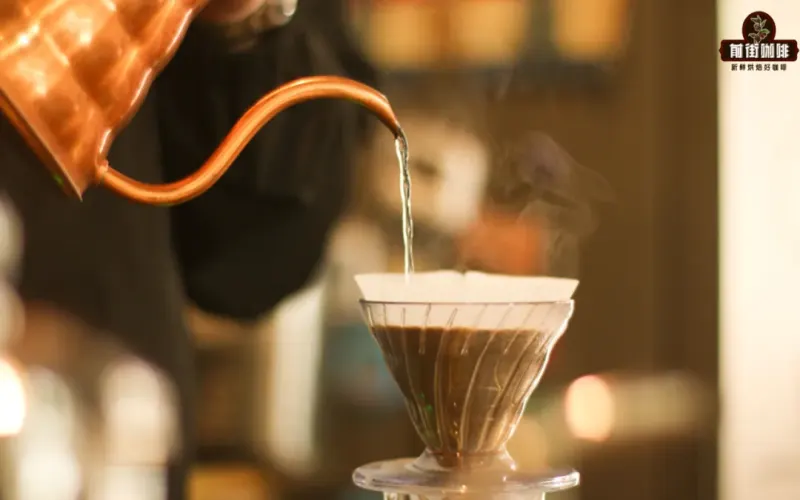
What Exactly Do Coffee-to-Water Ratio and Coffee-to-Liquid Ratio Mean? A Clear Explanation of Two Key Parameters and Their Conversion Logic
In the brewing process of specialty coffee, the coffee-to-water ratio and the coffee-to-beverage ratio are two core concepts that cannot be avoided. Many people assume they are simply different names for the same thing, but in reality their calculation methods and applicable scenarios differ significantly. This article will start from the basic definitions of these ratios, first explaining the meaning and advantages of the coffee-to-water ratio, then delving into why the coffee-to-beverage ratio cannot be directly equated with the coffee-to-water ratio, and, combined with the water absorption rate of coffee grounds, provide a practical conversion method. Once you understand these two parameters, you will have clearer direction when adjusting your brewing recipe, and it will be easier to consistently reproduce your ideal flavor performance. [more…]
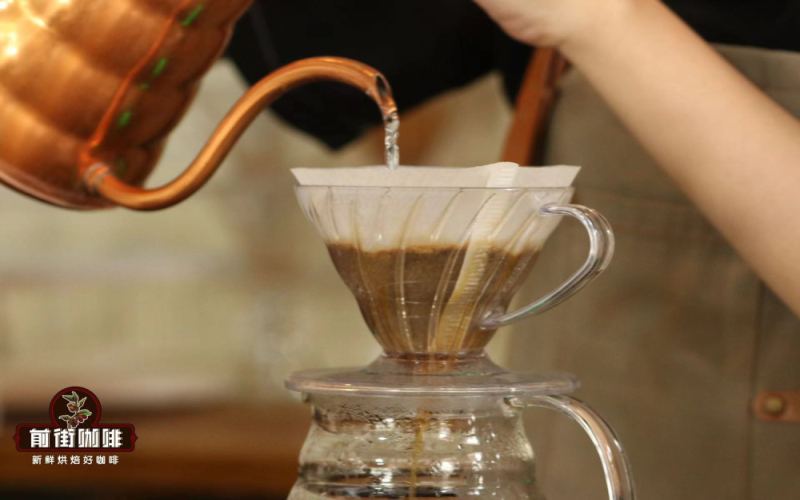
How to determine the pour-over coffee grounds-to-water ratio? How much water with 15 grams of grounds brews the most balanced flavor?
Many coffee enthusiasts, when brewing at home, tend to eyeball the dose and pour water by feel, and as a result, the taste comes out different every time. One of the keys to the consistent quality at Front Street Coffee shops is a fixed coffee-to-water ratio—15 grams of coffee to 225 grams of water. This 1:15 ratio is the [more…]
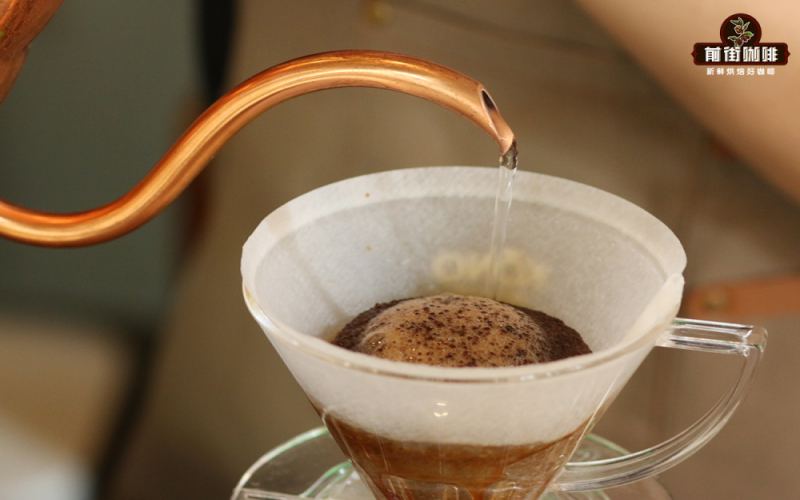
How to Decide the Coffee-to-Water Ratio for Pour-Over? A Practical Guide from 1:15 to 1:18 and a 15g Coffee Pouring Plan
The coffee-to-water ratio is the first parameter to nail down in pour-over coffee, as it directly influences both the strength and the extraction yield. The American Coffee Association once arrived at a golden ratio of 1:18 through extensive research, but today's bean varieties and processing methods are vastly different, making this figure better suited as a starting point than an ironclad rule. Front Street Coffee's shops typically brew with 15 grams of grounds to a 1:15 ratio, meaning 225 milliliters of hot water is poured; when they want to highlight floral notes and acidity, they loosen the ratio to 1:16. This article explores how the coffee-to-water ratio affects flavor, how to fine-tune it for different beans, and a hands-on three-pour routine using 15 grams of grounds, helping beginners find a brewing rhythm that suits them. [more…]
What is the difference between coffee-to-water ratio and coffee-to-liquid ratio in pour-over coffee? The calculation method and conversion logic explained clearly at once
Many friends who are just getting into pour-over coffee often confuse the coffee-to-water ratio with the coffee-to-beverage ratio, and as a result, the coffee they brew always tastes different from what they expected. In fact, although these two concepts differ by only one word, their meanings are completely different, and they cannot even be converted directly on an equal basis. Today, Front Street will explain these two measurement methods, first explaining what each of them represents, then clarifying how the coffee grounds' water absorption affects the final liquid weight, and offering a way to convert between the coffee-to-water ratio and the coffee-to-beverage ratio. Once you understand these, you will have a clearer direction when adjusting pour-over parameters, and it will be easier to consistently reproduce a delicious cup of coffee. [more…]
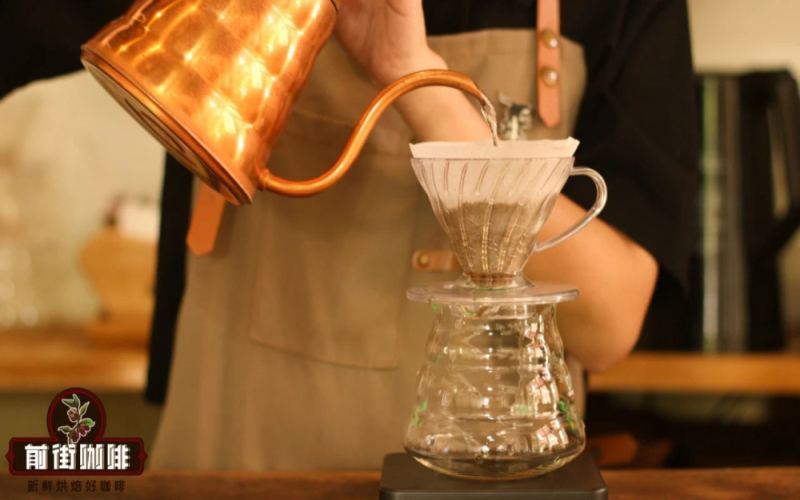
Why Is the Pourover Coffee Grounds-to-Water Ratio Commonly 1:15? A Professional Interpretation from Golden Cup Extraction to Practical Parameters
The coffee-to-water ratio for pour-over is a core question every enthusiast will face. Where exactly does the 1:15 ratio come from? Does it truly conform to the SCA Golden Cup extraction standard? Starting from Front Street's daily brewing practice, this article first clarifies two basic concepts—the coffee-to-water ratio and the water absorption rate of coffee grounds—then, combined with the Golden Cup extraction chart, analyzes the difference between the ideal range and actual output, explaining why 1:15 has become a stable and conservative choice. At the same time, the article also discusses whether tail-end truncation is necessary, and how ordinary enthusiasts should view this operation. [more…]
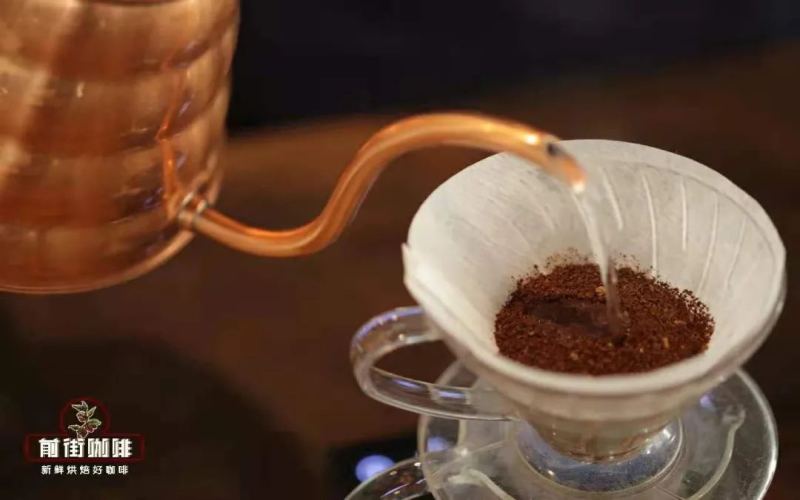
Coffee-to-Water Ratio | How to Calculate the Pour-Over Coffee-to-Water Ratio, Cold Brew Pour-Over Coffee-to-Water Ratio
Without adding sugar or milk, how to hand-brew a delicious and distinctive cup of coffee is a difficult challenge for many enthusiasts just starting out in coffee. Pour too much water and the coffee will be weak; pour too little and it will be very strong and harsh on the throat. Therefore, you must pay attention to the coffee-to-water ratio. So exactly how much water should be used to brew a cup of coffee? The coffee-to-water ratio is probably what every [more…]
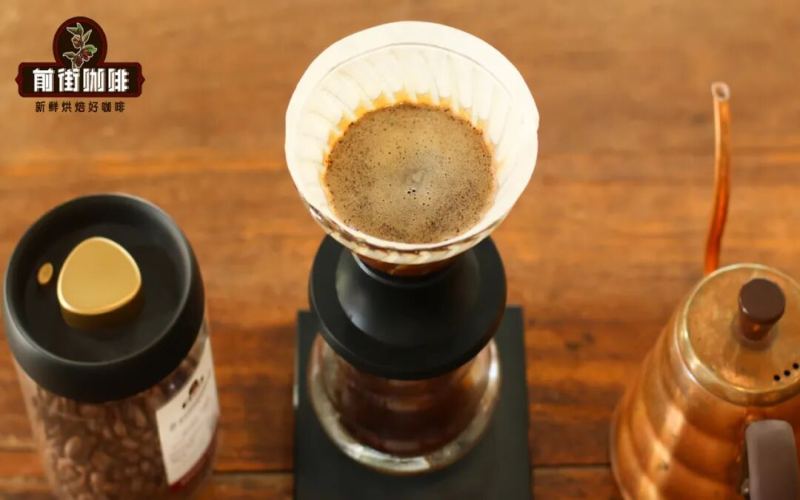
Coffee Grounds Dosage | What is the ideal coffee-to-water ratio for pour-over coffee? Will a 1-gram difference in coffee grounds change the coffee's flavor?
For coffee brewing, the coffee-to-water ratio is one of the important factors that need to be considered first. But because it does not need to be adjusted according to the roast level of the coffee beans like water temperature and grinding, we often fix a ratio to brew coffee of all roast levels. For example, Front Street often recommends new [more…]
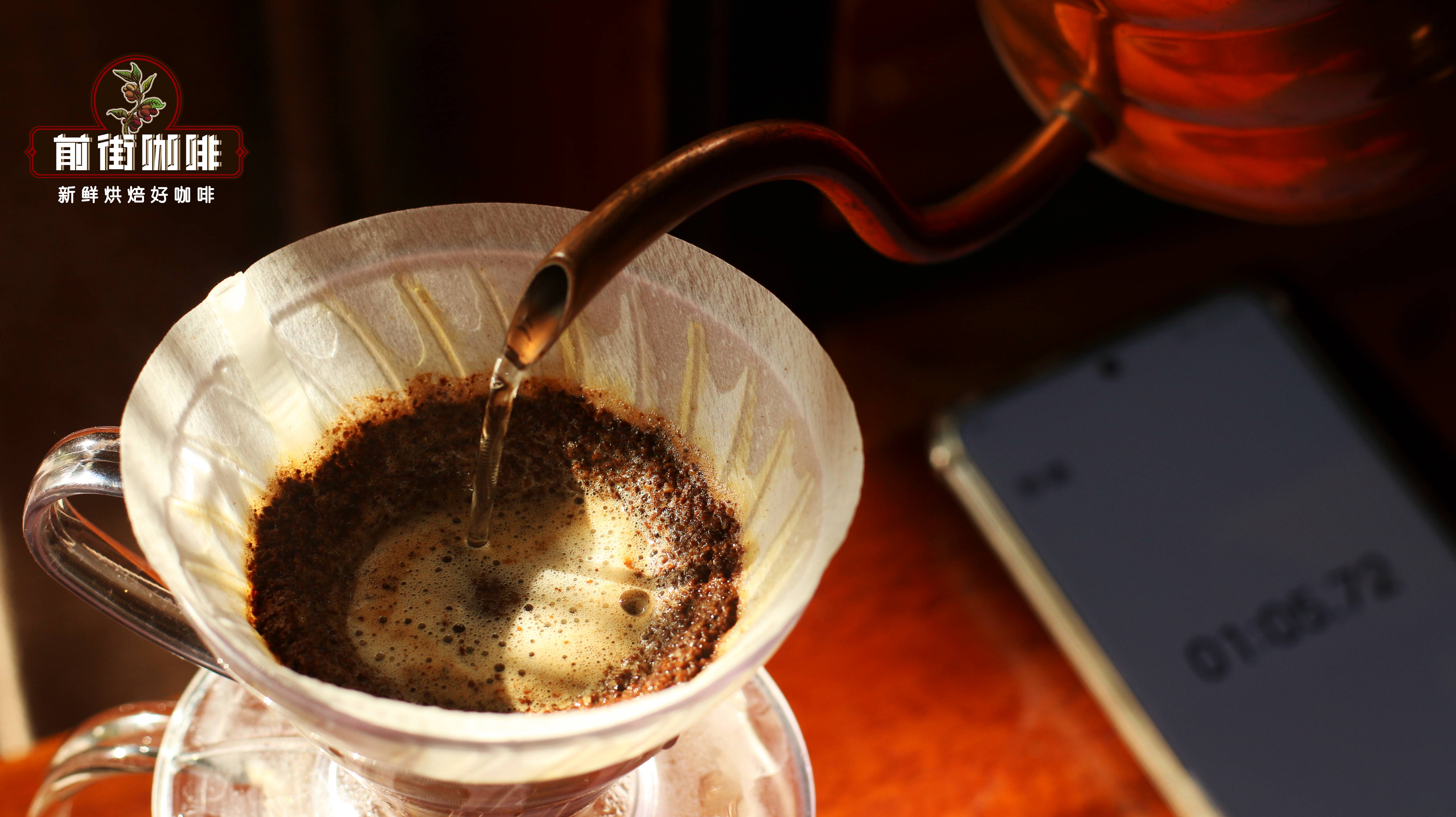
How Does the Coffee-to-Water Ratio in Pour-Over Affect Flavor? An Analysis of the Standard Americano Ratio and Its Differences from Espresso
Brewing a good cup of coffee—the coffee-to-water ratio is one of the key variables. Through comparative experiments, Front Street Coffee systematically analyzes the effects of different coffee-to-water ratios on coffee concentration, extraction yield, and flavor performance, and further explores whether the traditional ratio for Americano applies to all coffee beans. This article starts with the pour-over coffee-to-water ratio, combines it with the extraction logic of espresso, analyzes the essential differences between Americano and pour-over in mouthfeel and flavor layers, and provides a practical method for determining the appropriate ratio for Americano, helping coffee enthusiasts understand the relationship between extraction and flavor more scientifically. [more…]
The Complete Guide to Making Cold Brew Coffee at Home: A Practical Guide from Bean Selection to Grind Ratio and Steeping Time
Making a delicious cold brew coffee at home is actually not complicated. Cold brew relies on low-temperature slow extraction, allowing small-molecule aromatic and acidic compounds to be released first, resulting in a light body with bright, well-balanced acidity and sweetness. All you need is coffee grounds, water, a sealed bottle, and a refrigerator. The real keys to success lie in three parameters: bean selection, grind size and coffee-to-water ratio, and steeping time. This article starts from flavor preferences, recommending beans such as Front Street Coffee Huakui, Xizhua, Queen's Estate, and PWN Golden Mandheling, and provides specific suggestions on grind coarseness, coffee-to-water ratio, and steeping time. Finally, using "Mozart" as an example, it fully demonstrates the production process and filtration method for 80g of grounds, 1:10 ratio, and 12 hours of refrigeration, helping you consistently replicate your ideal flavor. [more…]

What to do if drip bag coffee tastes too weak? Master water temperature, coffee-to-water ratio, and pouring technique to brew a rich, aromatic pour-over
Have you ever run into this problem: the same pack of drip bag coffee, yet when someone else brews it, the aroma fills the air, while yours comes out as weak as plain water? The issue mostly lies in the parameters and technique. Although drip bag coffee has a low barrier to entry, to brew a rich, full-bodied flavor, you must nail down the three core variables: water temperature, coffee-to-water ratio, and extraction time. This article compiles three practical tips: the first is to adjust the brewing parameters to raise the extraction yield; the second is to dig a small hole in the center of the coffee bed to solve the uneven extraction caused by the overly thick layer of coffee grounds in the drip bag; the third is even more direct—pour the brewed coffee back and steep it again to remedy under-extraction. At the end of the article, there is also a complete brewing demonstration of Front Street Coffee Ethiopia Huakui drip bag, from a 1:15 coffee-to-water ratio to a four-stage pour, guiding you step by step to brew a great cup of coffee with strawberry and citrus notes. [more…]
A Comprehensive Analysis of Espresso Extraction: Water-to-Coffee Ratio, Golden Parameters, and Key Operational Points Explained
The extraction of espresso is extremely sensitive to parameters, with dose, brew ratio, time, flow rate, pressure, and temperature all interconnected; the slightest deviation is magnified exponentially in the flavor. This article systematically sorts out the core logic of various espresso extraction parameters, analyzing the matching of basket capacity and dose, the liquid weight ratio range of 1:1.5 to 1:2.5, the extraction window of 20 to 30 seconds, as well as common issues such as grind size and channeling. It also details operational specifics like weighing the dose, distributing the grounds, tamping, and cleaning. At the end, Front Street Coffee recommends a classic espresso blend to help you consistently produce delicious espresso at home. [more…]
Pour-over coffee brewing ratio | Is the espresso coffee-to-water ratio different from pour-over? What details should be noted for pour-over coffee blooming?
Pour-over coffee is a brewing method that places great emphasis on technique and coffee expertise. Factors such as the amount of coffee beans used for pour-over, the coffee grind size, the coffee-to-water ratio and time, and the brewing technique all affect the flavor extracted in pour-over coffee. So how can you brew a perfect-tasting pot of pour-over coffee? In the rest of this article, Front Street [more…]
Pour-Over Coffee Three-Stage Extraction Explained: Full Analysis of 1:15 Coffee-to-Water Ratio, Water Temperature, Grind Size, and Brewing Parameters
What exactly should the coffee-to-water ratio for pour-over coffee be? Front Street Coffee has long adhered to the 1:15 ratio, a choice backed by both experimental data and the stability it brings to daily brewing. This article begins by distinguishing between the coffee-to-water ratio and the extraction liquid ratio, explains how the water absorbed by coffee grounds affects the final liquid volume, and then, in conjunction with the SCA Golden Cup extraction range, clarifies why 1:15 performs more evenly across commonly available beans. It then provides a complete breakdown of the three-stage pouring technique, including blooming, water volume, water level control, and flavor integration, helping coffee enthusiasts understand the flavor molecules corresponding to each extraction stage, and offering a brewing process that can be put into practice directly. [more…]
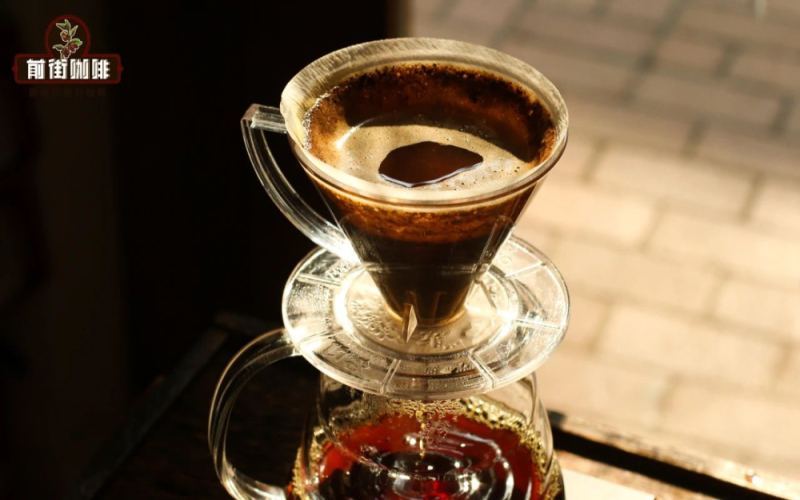
How to Calculate the Pour-Over Coffee Grounds-to-Water Ratio? A Three-Pour Water Distribution and Step-by-Step Tutorial
The flavor of pour-over coffee depends on every detail from bean selection to extraction, and the coffee-to-water ratio is one of the most critical foundational parameters. This article will systematically explain the calculation logic behind the coffee-to-water ratio, the principles of staged pouring, and a three-stage pour-over workflow suitable for beginners. At the same time, drawing on the brewing experience of Front Street Coffee, from equipment preparation and coffee bean selection to the specific allocation of water for each pour, we will break down step by step the complete process of making a delicious pour-over, helping you build a stable and reproducible brewing framework. [more…]

Iced Pour-Over Coffee | Why Does Making Iced Pour-Over Require More Coffee Grounds? What Coffee-to-Water Ratio Is Suitable for Iced Pour-Over Coffee?
I wonder if everyone still remembers that last year Front Street shared a very interesting topic with you all—"Why do some coffee shops charge extra for iced pour-over." The reason was that in some coffee shops, iced pour-over is priced higher than hot pour-over, which has led some customer friends recently, when ordering, to always [more…]
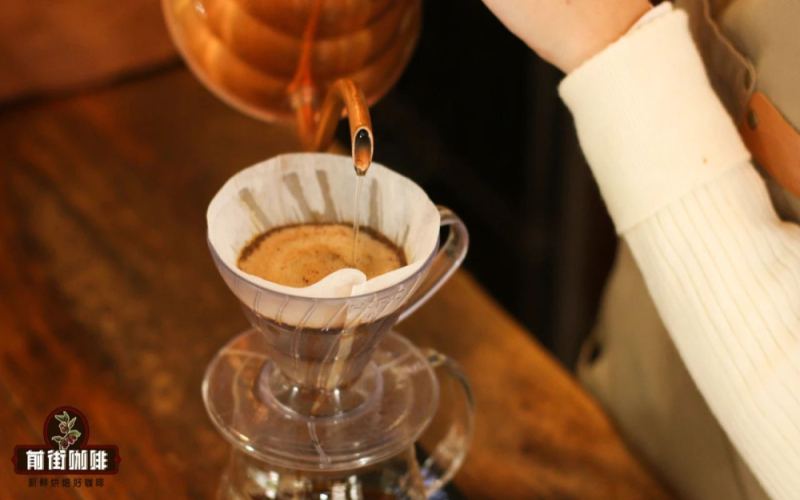
How Should You Set the Pour Amount and Coffee-to-Water Ratio for Pour-Over Coffee? A Look at Extraction Parameters Through the Example of Front Street Mandheling
Pour-over coffee emphasizes precision and ritual; from the grams of coffee grounds, water temperature, to the amount of water poured, every step affects the final flavor. The amount of water poured depends on the dose of grounds and the coffee-to-water ratio. Front Street habitually uses 15g of grounds with a 1:15 ratio, meaning 225ml of water is poured. The coffee-to-water ratio is not absolute: those who prefer a bold cup favor 1:10 to 1:13, while those who prefer a lighter cup commonly use 1:16 to 1:17. This article also uses Front Street Mandheling as an example, demonstrating in detail from parameters to technique how to brew a rich, full-bodied cup at home, so you can understand the balance between the amount of water poured, extraction yield, and concentration. [more…]
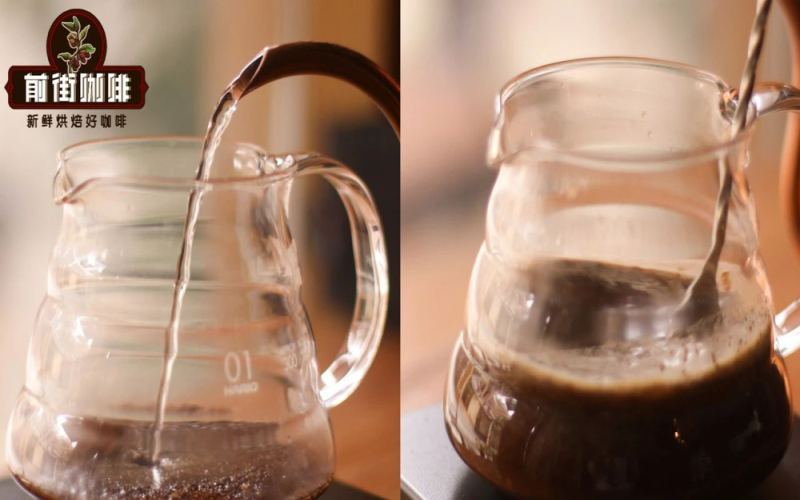
The Complete Guide to Making Cold Brew Coffee: From Bean Selection to Coffee-to-Water Ratio, Can Espresso Grounds Be Cold Brewed? All Explained Clearly
Cold brew coffee is the easiest of all brewing methods to master—no professional skills required, and even coffee beginners can easily make a delicious glass of iced coffee. Drawing on the practical experience of Front Street Coffee, this article systematically covers the flavor characteristics and key production points of cold brew coffee, including recommendations for coffee beans suitable for cold brewing, suggested coffee-to-water ratios and grind sizes, the complete steps for steeping and filtering, and how to store cold brew coffee. In addition, in response to the question many enthusiasts have about "whether espresso grounds can be used to make cold brew," Front Street also provides adjustment solutions based on actual testing, with detailed explanations covering everything from parameter settings to taste performance, helping you avoid common pitfalls and consistently produce a clean, smooth, and full-flavored cup of cold brew coffee at home. [more…]
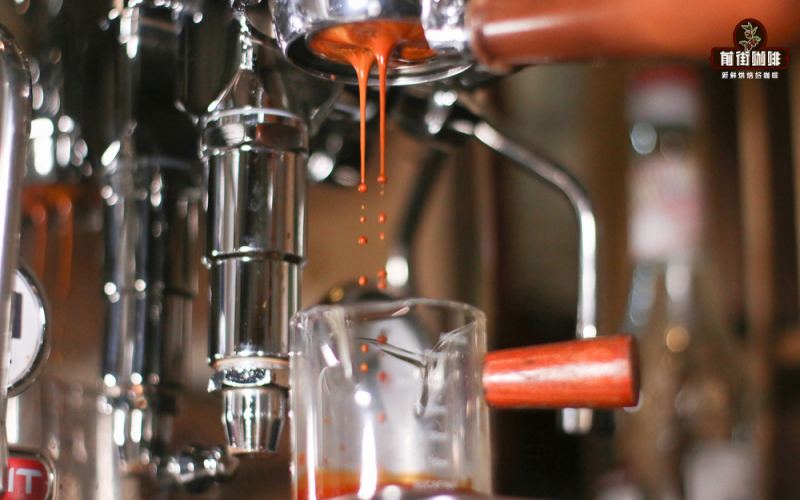
Espresso Extraction Parameters | What is the golden extraction ratio for espresso? What are the specific steps for extracting espresso?
Front Street Coffee has always emphasized that the extraction parameters for pour-over coffee have a significant impact on the cup, and for espresso the impact is even greater. You should know that factors such as the concentration and extraction time of espresso are more demanding than those of pour-over coffee, and the slightest [more…]

A Complete Guide to Pour-Over Coffee Dose, Ratio, and Blooming: Front Street Coffee Brewing Parameters and a Three-Pour Practical Guide
To consistently brew a delicious pour-over coffee, bean dose, coffee-to-water ratio, blooming, and pouring rhythm are all indispensable. Starting from Front Street Coffee's practical experience, this article explains the reasoning behind 15g of grounds, a 1:15 coffee-to-water ratio, and a 225ml final yield, and compares this with common espresso extraction ratios to help readers build a replicable parameter framework. It then uses a washed Yirgacheffe Gudingding as an example to provide the complete V60 three-pour brewing process, with a focused breakdown of details such as blooming and degassing, pouring height, and the rhythm of pausing between pours, so that even beginners can follow along step by step and reduce the harsh, astringent flavors caused by under-extraction or over-extraction. [more…]